


Table of Contents
- Why Sustainable Fabrics Matter for Custom Window Coverings
- Natural and Renewable Materials for Window Treatments
- Recycled Fabric Window Coverings and Circular Design
- Understanding Low-Impact Fabric Certifications
- Durable Fabrics for Window Coverings That Last
- How to Evaluate and Select Eco-Friendly Window Treatments
- Sustainable Fabric Selection Framework
- Conclusion
- Frequently Asked Questions
Last Updated: October 17, 2026
Why Sustainable Fabrics Matter for Custom Window Coverings
Choosing sustainable fabrics for custom window coverings means selecting materials that balance environmental responsibility with performance and durability.
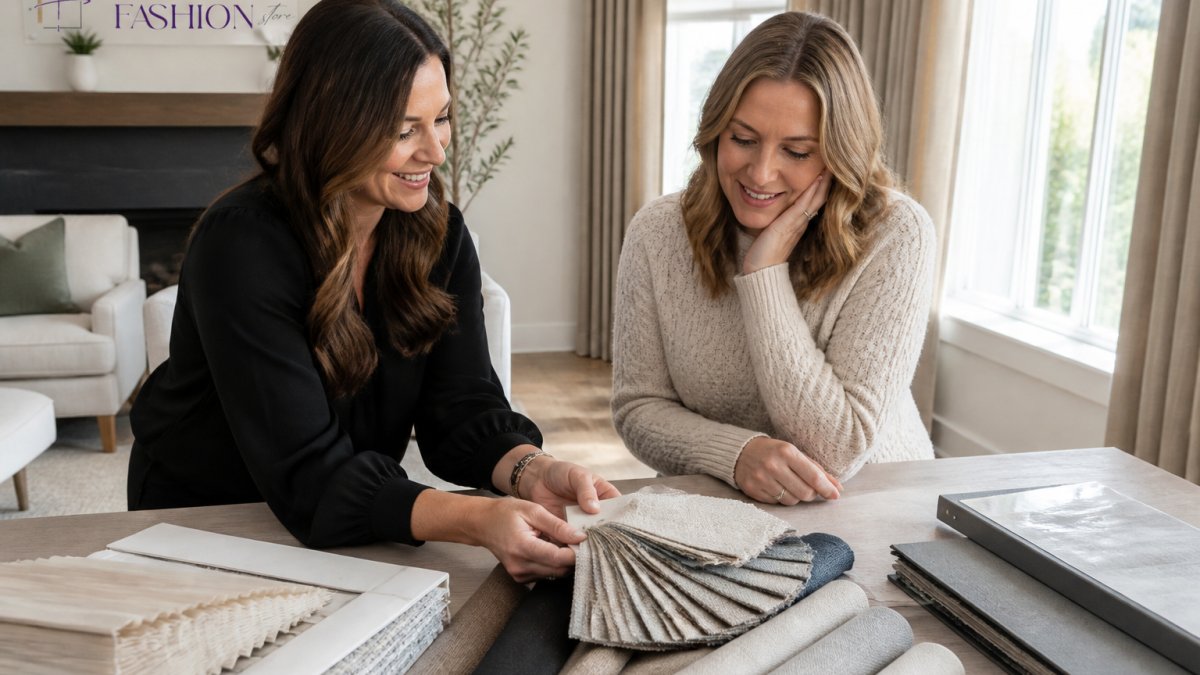
Sustainable window coverings offer real benefits. They reduce harmful chemical exposure indoors. They support responsible manufacturing practices. They often perform better and last longer than conventional alternatives. When you invest in eco-friendly window treatments, you’re making a decision that affects your comfort, your family’s health, and the planet.
The fabrics you choose determine how your windows function. They control light, manage heat, provide privacy, and shape how a room feels. Sustainable options don’t mean compromising on any of these qualities. Instead, they expand your choices to include materials that do all this while protecting natural resources and reducing waste.
Natural and Renewable Materials for Window Treatments
Natural materials form the foundation of sustainable window coverings. These fabrics come from plants and trees that regenerate, making them renewable when harvested responsibly. They breathe better than synthetics, feel good to the touch, and often improve with age.
Organic Cotton, Linen, and Hemp
Organic cotton grows without synthetic pesticides or fertilizers. It’s soft, durable, and works beautifully for custom shades and draperies. Organic cotton fabric holds dyes well, so colors stay vibrant without harsh chemical treatments.
Linen comes from flax plants. It’s naturally strong, gets softer with washing, and resists pilling. Linen window coverings have a relaxed, natural look that complements many interior styles. The fabric naturally filters light while maintaining privacy.
Hemp is one of the toughest plant fibers available. It requires minimal water and no pesticides to grow. Hemp fabrics are durable enough to handle years of sunlight exposure without fading significantly. They also naturally resist mold and mildew, which matters in humid climates.
All three fabrics are breathable. They allow air to circulate, which helps regulate room temperature naturally. This means your custom window coverings work with your climate control system rather than against it.
Organic plant-based fabrics often have a slightly irregular texture compared to synthetic alternatives. This isn’t a flaw, it’s a sign of authentic natural fiber. The variation actually helps the fabric age gracefully and hide dust better than perfectly uniform synthetics.
Bamboo, Wood, and Grass-Based Fabrics
Bamboo grows rapidly without pesticides or fertilizers. It regenerates quickly after harvest, making it highly renewable. Bamboo fabrics are soft, breathable, and naturally hypoallergenic. They work well for people with sensitive skin or allergies.
Wood-based fabrics like viscose or lyocell come from sustainably managed forests. These materials are stronger than you’d expect and hold color beautifully. They drape elegantly, making them ideal for custom draperies and flowing shade styles.
Grass-based fabrics include materials made from reeds, jute, and other natural grasses. These create beautiful texture and visual interest. Grass fibers are durable and naturally resistant to wear. They add warmth to a room through their natural golden and tan tones.
These materials perform well in custom applications. They handle the movement of motorized blinds smoothly. They resist the stress points that develop where shades fold or roll. Many homeowners find they outlast conventional synthetic alternatives.
Recycled Fabric Window Coverings and Circular Design
Recycled fabrics give new life to materials that would otherwise become waste. They reduce the demand for virgin resources and keep textile waste out of landfills. Recycled polyester, recycled cotton, and recycled blends all work for window coverings.
Recycled materials perform as well as new fabrics. The recycling process doesn’t compromise strength or durability. Colors stay true, and the fabric resists fading just as effectively. You’re not sacrificing quality when you choose recycled options.
Circular design means thinking about what happens to your window coverings when you’re done with them. Some recycled fabrics can be recycled again. Others biodegrade safely. A few can be composted. Understanding the end-of-life story helps you make choices aligned with your values.
Recycled fabrics close the loop. They use existing materials instead of creating new ones, which saves water, energy, and natural resources. For custom window coverings, this means you get durability and performance while reducing environmental impact.
::: Long-term material integrity remains a critical factor in these selections, a subject explored further within the fabric durability guide.
Understanding Low-Impact Fabric Certifications
Certifications help you identify fabrics made responsibly. They verify claims about sustainability, safety, and quality. Several certifications matter for window coverings.
GOTS (Global Organic Textile Standard) certifies organic fiber content and prohibits harmful chemicals throughout production. Fabrics with GOTS certification contain at least 95% organic fiber and meet strict environmental and social standards.
OEKO-TEX Standard 100 tests fabrics for harmful substances. It ensures the finished material is safe for your home and family.
FSC (Forest Stewardship Council) certifies wood-based fabrics come from responsibly managed forests. FSC-certified materials ensure forests are preserved for future generations and workers are treated fairly.
Cradle to Cradle Certified evaluates materials across their entire lifecycle. It assesses chemical safety, material reutilization, renewable energy use, water stewardship, and social responsibility. Products with this certification meet rigorous environmental standards.
These certifications give you confidence. They mean independent organizations have verified the claims.
Durable Fabrics for Window Coverings That Last
Durability and sustainability go hand in hand. A fabric that lasts 15 years has far less environmental impact than one that fails after 3 years. Sustainable window coverings are built to endure.
Natural fibers tend to improve with age. They don’t become brittle or weak from sunlight exposure. High-quality organic cotton, linen, and hemp actually become softer and more comfortable over time. They resist pilling and maintain their appearance through years of use.
Recycled and responsibly sourced materials are chosen specifically for durability. Manufacturers know these fabrics will be used longer, so they select materials that perform well under stress. The result is window coverings that handle daily use without degradation.
Construction quality matters as much as fabric choice. Custom window coverings built by professionals hold up better than mass-produced alternatives. Proper seaming, reinforced edges, and quality hardware all extend the life of your window treatments.
Some low-cost fabrics fade quickly when exposed to direct sunlight. This isn’t just a cosmetic issue, fading indicates the fibers are breaking down. Sustainable fabrics resist this degradation, keeping your window coverings functional and attractive for years.
How to Evaluate and Select Eco-Friendly Window Treatments
Choosing the right sustainable fabric requires thinking about your specific needs. Different rooms have different demands. A bedroom needs privacy and light control. A kitchen needs easy cleaning and moisture resistance. A living room might prioritize aesthetics and light filtering.
Start by identifying what your room requires. Do you need blackout capability or light filtering? Do you want privacy or a view? Will the fabric face direct sunlight? Do you have pets or children? These questions guide your fabric selection.
Next, consider the climate in your space. Humid bathrooms benefit from naturally mold-resistant materials like hemp. Sunny rooms need fade-resistant fabrics. Cold rooms gain warmth from layered fabrics that provide insulation.
Performance Trade-Offs and Room-Specific Needs
Every fabric involves trade-offs. Understanding them helps you make the right choice for your situation.
Organic cotton is soft and breathable but requires more care when cleaning. It may wrinkle slightly, which some homeowners love for a natural look and others prefer to avoid.
Bamboo and wood-based fabrics drape beautifully and feel luxurious but may show water spots more easily. Grass-based fabrics add texture and warmth but work better in certain design styles.
Light-filtering fabrics let you see out while preventing outsiders from seeing in during the day. They reduce glare and heat but don’t provide complete privacy at night. Blackout fabrics block light and heat completely, which saves energy but eliminates your view.
Consider durability in direct sunlight. Fabrics in south-facing windows need extra fade resistance. North-facing windows allow more delicate materials. East and west-facing windows need balance between light control and durability.
Viewing Samples and Booking Your Consultation
The best way to choose sustainable fabrics is to see them in person. Colors look different in natural light versus artificial light. Textures feel different when you touch them.
Our Design Gallery displays full-sized examples of every sustainable fabric we offer. You can see how materials look in real light. You can feel the texture and weight.
For custom window coverings, we bring sample books to your home during a Schedule Free Consultation. We show you fabrics in your actual room, with your lighting and décor.
We also take exact measurements during your consultation. Proper measurements ensure your custom window coverings fit perfectly and function smoothly. We discuss installation details, hardware options, and any special requirements your windows have.
Sustainable Fabric Selection Framework
Use this framework to evaluate sustainable fabrics for your custom window coverings:
Step 1: Identify Your Room’s Primary Function
- Bedroom: prioritize privacy and light control
- Kitchen: prioritize cleanability and moisture resistance
- Living room: balance aesthetics with light filtering
- Home office: prioritize glare reduction and focus
Step 2: Assess Your Light Exposure
- Direct sunlight: choose fade-resistant materials
- Indirect light: more fabric options available
- Low light: prioritize what looks best to you
Step 3: Consider Your Climate
- Humid climates: choose mold-resistant fibers
- Hot climates: prioritize heat rejection
- Cold climates: consider insulation properties
Step 4: Match Fabric Properties to Needs
| Fabric Type | Best For | Key Strength | Key Trade-Off |
|---|---|---|---|
| Organic Cotton | Bedrooms, living rooms | Soft, breathable, versatile | Requires careful cleaning |
| Linen | Any room | Durable, improves with age | Textured appearance |
| Hemp | Humid areas, high-traffic | Mold-resistant, extremely durable | Heavier weight |
| Bamboo | Luxury applications | Soft, hypoallergenic | Shows water spots |
| Recycled Polyester | Easy-care spaces | Wrinkle-resistant, affordable | Less natural feel |
| Grass Fibers | Textured designs | Unique appearance, durable | Limited color range |
Step 5: Verify Certifications
- Check for GOTS, OEKO-TEX, FSC, or Cradle to Cradle
- These certifications verify environmental and safety claims
- Don’t assume sustainability without verification
Step 6: Plan for Longevity
- Choose quality construction over lowest cost
- Select fabrics that match your room’s conditions
- Consider how the fabric will age and change
Conclusion
Choosing sustainable fabrics for custom window coverings means investing in materials that perform well, look beautiful, and respect the environment. Natural fibers like organic cotton, linen, and hemp offer breathability and durability. Recycled materials close the loop and reduce waste. Certifications verify that your fabrics meet real environmental and safety standards.
The right choice depends on your room’s needs, your climate, and your priorities. At The Window Fashion Store, we help you navigate these decisions through our Design Gallery and in-home consultations. We bring sustainable fabric samples to your home, discuss performance trade-offs specific to your windows, and take exact measurements for perfect-fitting custom window coverings. Our team has over 20 years of experience helping homeowners and businesses select window treatments that work beautifully for years to come. Schedule a free consultation with us, and let’s find the sustainable fabrics that transform your space.
Frequently Asked Questions
What fabrics are most sustainable for window coverings?
The most sustainable fabrics for window coverings include organic cotton, linen, hemp, and bamboo. These natural materials are renewable, biodegradable, and produced with fewer chemicals than synthetic alternatives. Recycled polyester and recycled fabrics also offer sustainability benefits by diverting waste from landfills. When selecting sustainable fabrics, look for certifications like GOTS (Global Organic Textile Standard) or OEKO-TEX to verify environmental and health claims.
How do low-impact fabric certifications help me choose sustainable window coverings?
Low-impact fabric certifications verify that a fabric meets specific environmental and safety standards. GOTS certifies organic fiber production and processing; OEKO-TEX tests for harmful substances; and Cradle to Cradle assesses lifecycle impacts. These certifications eliminate guesswork and ensure your custom window coverings meet genuine sustainability criteria rather than relying on unverified marketing claims. Asking to see certification documents during your design consultation gives you confidence in your choice.
Are recycled fabric window coverings as durable as new materials?
Yes, recycled fabrics can be as durable as new materials when properly manufactured. Quality recycled polyester, for example, performs comparably to virgin polyester in terms of strength, colorfastness, and wear resistance. Durability depends more on fabric weight, weave construction, and finishing treatments than on whether the material is recycled. When selecting durable fabrics for window coverings, focus on quality construction and the manufacturer’s reputation rather than material origin alone.
Should I choose eco-friendly window treatments if I need maximum heat control?
Many eco-friendly window treatments perform well for heat and light control. Solar shades made from recycled materials, linen blends, and natural fiber fabrics can reduce heat gain and UV exposure effectively. However, some natural materials are more breathable than dense synthetics, which affects insulation performance. During a design consultation, discuss your specific climate needs and room conditions. Our team can show you sustainable fabric samples that meet your energy-efficiency goals while maintaining environmental responsibility.