


Table of Contents
- Shades vs Blinds: Key Differences
- Custom Window Treatment Pricing Factors
- Shades: Costs, Pros, and Cons
- Blinds: Costs, Pros, and Cons
- Durability, Maintenance, and Long-Term Value
- Benefits of Professional Window Treatment Installation
- Design Consultation for Window Coverings
- Frequently Asked Questions
Last Updated: September 25, 2026
Shades vs Blinds: Key Differences
When you’re choosing between custom shades and blinds for your home, understanding the fundamental differences and how shades vs blinds cost helps you make the right decision for your space. At The Window Fashion Store, we work with homeowners every day who face this exact choice, and the answer depends on how you want your windows to function, look, and feel.
Shades are typically fabric-based window coverings that roll, fold, or stack when raised. They work by gathering the material up or to the side, offering a sleek, simplified appearance. Blinds feature horizontal or vertical slats (thin strips) that tilt and rotate to control light and privacy. The slats remain visible even when the blinds are fully raised, creating a more structured look.
The visual difference is immediate. Shades tend toward a softer, more contemporary aesthetic. Blinds deliver a crisp, architectural feel. Beyond appearance, the operational difference matters: shades block light by covering the entire window area with fabric, while blinds control light by adjusting the angle of individual slats.
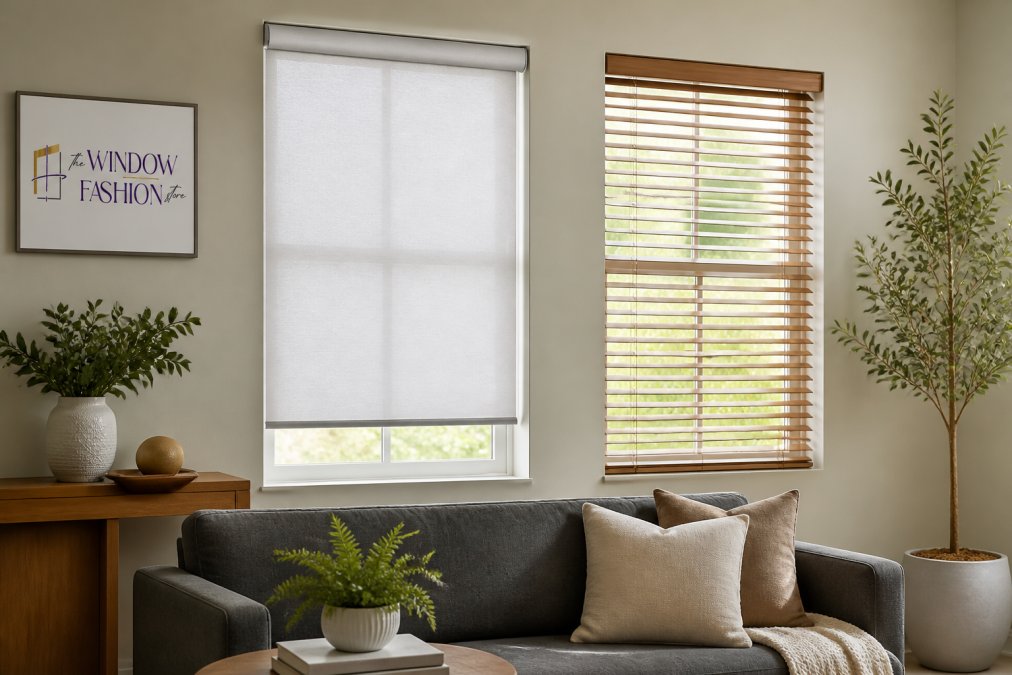
Light control works differently too. With shades, you get either full coverage or full exposure, there’s less middle ground. With blinds, you can tilt the slats to any angle, giving you granular control over how much light enters and how much privacy you maintain. This flexibility appeals to people who want to adjust their environment throughout the day without raising and lowering the entire covering.
Maintenance differs as well. Shades collect dust on the fabric surface and may require periodic vacuuming or gentle cleaning. Blinds accumulate dust between the slats, which some find tedious to clean, though the slats themselves are often easier to wipe down individually.
Custom Window Treatment Pricing Factors
Understanding what drives the shades vs blinds cost helps you evaluate your investment more clearly. Several factors influence the final price of any custom window treatment, and knowing these variables lets you make smarter decisions about where to allocate your budget.
Window dimensions form the foundation of your quote. Larger windows require more material and hardware, which increases cost. Unusual shapes, arched windows, angled skylights, or non-standard widths require custom engineering and typically cost more than standard rectangular openings. The Window Fashion Store takes exact measurements on-site to ensure your treatments fit perfectly and function smoothly.
Material selection significantly impacts pricing. Premium fabrics, specialty textures, and performance materials (like light-filtering or blackout fabrics) command higher prices than basic options. Natural materials such as wood or faux wood cost more than synthetic alternatives. The choice between motorized and manual operation also affects cost; motorized systems add convenience and modern appeal but require electrical integration.
Customization depth matters considerably. Simple roller shades with standard hardware cost less than elaborate Roman shades with decorative trims, tapes, or specialty linings. Blinds with wood slats cost more than aluminum or vinyl alternatives. Custom colors, patterns, and finishes all add to the final price.
Hardware and operating systems influence total cost. Cordless lift systems, motorized controls, and specialty mounting hardware increase expenses. Durable, professional-grade components designed for frequent use cost more upfront but deliver longer service life.
Professional installation ensures your treatments operate correctly and look polished. Exact measurement, precise mounting, and proper adjustment require expertise. The Window Fashion Store provides professional installation as part of the custom process, ensuring your investment performs as intended.
Quantity of windows affects overall project cost. Treating a single window costs more per window than treating multiple windows, since setup and measurement occur once for the entire project. Many homeowners find that expanding their project to additional rooms yields better value per window.
Shades: Costs, Pros, and Cons
Custom shades offer a clean, modern aesthetic with excellent light control and privacy. Understanding their strengths and limitations helps you decide if they’re right for your space.
Advantages of custom shades:
Shades deliver superior light blocking when you need it. Blackout fabrics eliminate nearly all light transmission, making them ideal for bedrooms, home theaters, or light-sensitive spaces. Light-filtering options soften incoming light while maintaining some visibility to the outside, perfect for living areas and offices.
The simplified appearance appeals to contemporary design sensibilities. When raised, many shade styles disappear almost entirely, creating clean sightlines and an uncluttered look. This makes shades particularly effective in smaller rooms where visual simplicity matters.
Operating shades is intuitive. Most people understand how to raise and lower them without instruction. Motorized Blinds & Shades add convenience, controlling them via remote, smartphone, or voice commands feels effortless.
Shades work well in challenging window configurations. Skylights, angled windows, and non-standard shapes often suit shades better than blinds because the fabric adapts to the opening without requiring slat alignment.
Limitations of custom shades:
Fabric requires periodic maintenance. Dust accumulation on the surface means regular vacuuming or gentle wiping keeps them looking fresh. Some fabrics are more forgiving than others, lighter colors show dust more readily.
Light control is binary with most shade styles. You get full coverage or full openness; intermediate positions offer less precision than blinds. Roman shades and cellular shades provide some middle-ground options, but they’re less flexible than tilting slats.
Fabric deterioration from UV exposure happens over time. Direct sunlight fades colors and can weaken fibers. UV-protective linings extend fabric life, but they add to the initial cost.
Repairs can be more involved than blind repairs. If the fabric tears or the lift mechanism fails, the entire shade may need replacement rather than targeted repair.
Blinds: Costs, Pros, and Cons
Custom blinds offer precise light control, architectural appeal, and proven durability. They suit many homes and serve both residential and commercial applications effectively.
Advantages of custom blinds:
Precise light control sets blinds apart. Tilting the slats to any angle lets you manage glare, privacy, and ambient light with granular control. This flexibility appeals to people who adjust their environment throughout the day.
Blinds deliver exceptional durability. Quality slats, durable hardware, and cordless or motorized lift systems withstand years of daily use. Professional-grade blinds from manufacturers like Hunter Douglas, Alta Window Fashions, Norman, and Texton are engineered for longevity.
The architectural aesthetic suits traditional, transitional, and modern interiors. Wood blinds add warmth; aluminum or vinyl blinds create a crisp, contemporary look. The variety of finishes and colors accommodates nearly any design direction.
Maintenance is straightforward. A quick wipe of individual slats removes dust effectively. Unlike fabric, blinds don’t require special cleaning products or careful handling.
Blinds work well in moisture-prone areas. Bathrooms and kitchens tolerate blinds better than fabric shades because slats resist humidity and mildew better than porous materials.
Limitations of custom blinds:
Light gaps occur around the perimeter and between slats. Even perfectly installed blinds allow some light to enter around edges. If complete blackout is essential, you may need a secondary blackout shade or specially designed blinds with light-blocking features.
Slat alignment requires attention. Tilting slats to the same angle across all blinds maintains a cohesive appearance. Misaligned slats look sloppy and detract from the aesthetic.
Dust accumulation between slats can be tedious to address. While individual slats wipe easily, accessing the spaces between them requires patience. Vacuuming with a brush attachment helps, but it’s not as quick as dusting a shade.
Cordless systems, while safer, may feel less intuitive to some users than traditional corded lift systems. Motorized options solve this but add cost.
Durability, Maintenance, and Long-Term Value
Choosing between shades and blinds involves thinking beyond the initial purchase. How your window treatments perform over five, ten, or more years significantly affects their true value.
Shade durability depends heavily on fabric quality and UV protection. Premium fabrics with UV-protective linings resist fading and maintain their appearance longer. Cellular shades with honeycomb construction offer excellent insulation properties and durability when constructed with quality materials. The lift mechanism, whether cordless, corded, or motorized, determines how smoothly the shade operates over time. Motorized systems from reputable manufacturers like Hunter Douglas deliver reliable performance for years.
Blind durability is generally exceptional. Slats made from quality materials resist warping and breaking. Cordless lift systems eliminate the wear that corded mechanisms experience. Motorized blinds operate smoothly thousands of times without degradation when properly installed. Wood blinds from manufacturers like Norman develop character over time while maintaining functionality. Aluminum and vinyl blinds resist moisture and maintain their finish indefinitely.
Maintenance costs favor blinds long-term. Regular dusting or wiping slats requires minimal time and no special products. Shade maintenance may involve more intensive cleaning, occasional fabric treatment, or eventual fabric replacement if UV damage becomes severe.
Energy efficiency matters for long-term value.
Benefits of Professional Window Treatment Installation
Installing custom window treatments yourself might seem like a cost-saving opportunity, but professional installation delivers benefits that justify the investment.
Design Consultation for Window Coverings
Schedule a consultation before making your final decision. Seeing samples in your actual space, discussing options with an expert, and understanding how treatments will function in your windows eliminates costly mistakes and ensures satisfaction with your choice.
The Window Fashion Store offers free design consultations. We want you to feel confident in your choice, and that confidence comes from expert guidance and seeing options in your actual space.
Frequently Asked Questions
Are shades less expensive than blinds?
Cost depends on materials and customization. Roller shades and Roman shades often cost less upfront than wood or faux wood blinds, but motorized shades and premium fabrics can exceed blind pricing. Custom sizing, fabric opacity, and light-filtering properties all affect final costs. For an accurate comparison, request quotes for your specific window dimensions and desired features.
What factors influence the cost of custom window treatments?
Key pricing drivers include window dimensions, material selection (fabric vs wood vs aluminum), customization options like motorization, mounting type (inside vs outside mount), and labor for professional installation and measurement. Energy-efficient fabrics, blackout capabilities, and decorative hardware also increase costs. Premium manufacturers like Hunter Douglas and Alta Window Fashions offer different price points based on construction quality and design options.
Is professional installation included in custom window treatment costs?
Installation is typically a separate line item. Professional installation ensures proper measurements, correct mounting depth, and smooth operation. It protects your investment by preventing gaps that allow light leakage and ensures hardware durability. Many homeowners find professional installation worth the cost because it maximizes light control, privacy, and the lifespan of their custom treatments.
Which window treatment offers better long-term durability?
Quality varies by manufacturer and material. Wood blinds and cellular shades from established makers like Norman Window Fashions and Alta Window Fashions offer excellent longevity with proper maintenance. Motorized systems from Hunter Douglas provide reliable operation over years of daily use. Durability also depends on room conditions, bathrooms and high-traffic areas benefit from cordless lift systems and fade-resistant fabrics that resist wear and tear.