


Table of Contents
- Why Energy Efficient Window Treatments Matter for Modern Homes
- 1. Cellular Shades for Energy Efficiency
- 2. Thermal Curtains for Insulation
- 3. Solar Shades for Heat Control
- 4. Window Shutters for Insulation
- 5. Motorized and Smart Window Treatments
- Choosing the Right Treatment for Your Home’s Climate and Orientation
- Getting Professional Guidance and Installation
- Comparison Table: Energy Efficient Window Treatment Options
- Frequently Asked Questions
Last Updated: October 7, 2026
Why Energy Efficient Window Treatments Matter for Modern Homes
Modern homes lose significant energy through windows (Windows). The glass itself conducts heat in winter and allows solar heat to enter in summer, driving up heating and cooling costs year-round. Window treatments sit between your living space and the outside environment, creating an insulating layer that reduces heat transfer and helps maintain comfortable indoor temperatures.
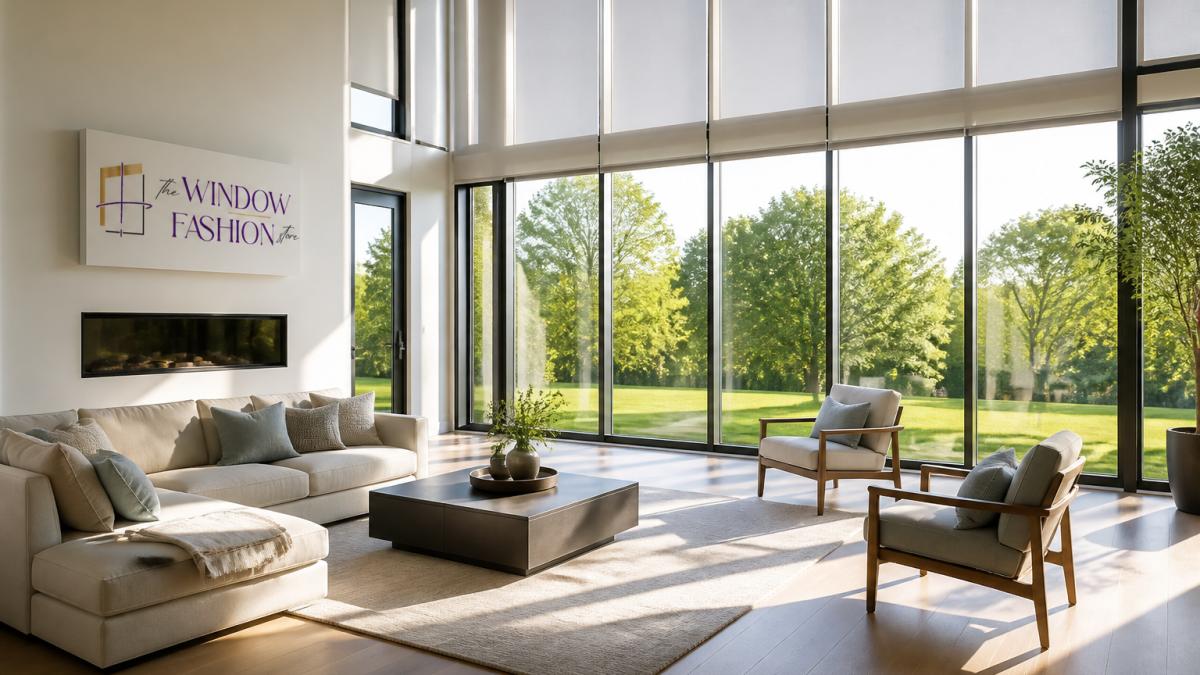
Energy efficient window treatments work by trapping air, blocking solar rays, or reflecting heat back outside. The right choice depends on your home’s climate, window orientation, and design preferences.
The five treatment types covered below represent the most effective options for energy efficiency in modern homes. Each offers distinct advantages depending on whether your priority is winter insulation, summer heat blocking, or year-round performance.
1. Cellular Shades for Energy Efficiency
Cellular shades are among the most effective window treatments for reducing heat transfer. The honeycomb design creates air pockets that insulate your windows, slowing the movement of heat in and out of your home. This simple geometry makes cellular shades one of the most popular energy efficient window treatments available.
The air pockets trap warm or cool air, creating a buffer between indoor temperatures and outdoor conditions. Single-cell shades have one layer of honeycomb; double-cell shades have two layers and provide better insulation. Double-cell options perform best in climates with extreme temperatures, while single-cell shades work well in moderate climates and cost less.
How Honeycomb Design Reduces Heat Transfer
The honeycomb structure works because air is an excellent insulator. When air becomes trapped and still, it resists heat flow. Cellular shades create multiple pockets of trapped air, slowing the rate at which heat moves through your window. This reduces the workload on your heating and cooling systems.
Cellular shades also block direct sunlight, which reduces solar heat gain in summer. The fabric itself absorbs some light energy, preventing it from entering your home as heat. Combined with the insulating air pockets, this dual action makes them highly effective for energy savings.
Single vs. Double Cell Options
Single-cell shades have one honeycomb layer and offer basic insulation. They’re lighter weight, easier to operate, and cost less than double-cell options. Single-cell shades work well in homes where energy efficiency is important but extreme temperature swings aren’t a concern.
Double-cell shades have two honeycomb layers, creating more air pockets and superior insulation. They perform significantly better in cold winters or hot summers. The extra layer also provides better sound dampening and light blocking. Double-cell shades are the better choice if your home experiences temperature extremes or if you want maximum energy performance.
2. Thermal Curtains for Insulation
Thermal curtains are fabric window coverings designed specifically to reduce heat transfer. Unlike standard curtains, thermal curtains use heavy, insulated fabrics that block air movement and reflect heat. They work best when they’re sized to cover the entire window frame and hung close to the glass.
Thermal curtains create an insulating barrier between your window and your room. In winter, they reduce heat loss through the glass. In summer, they block incoming solar heat. The fabric weight and lining material determine how effective they are at each task.
Thermal-Lined Drapes and Fabric Weight
Thermal-lined drapes have an insulating backing layer bonded to decorative fabric. The backing typically contains materials like foam or specialized thermal fibers that reflect heat. This combination gives you both style and performance. The heavier the fabric, the better it insulates. Lightweight thermal curtains offer modest energy savings; heavyweight thermal drapes provide substantial insulation.
Thermal drapes work best when they extend from ceiling to floor and are wide enough to fully cover the window frame. Gaps around the edges allow air to bypass the insulation, reducing effectiveness. Professional installation ensures proper fit and maximum energy performance. Many homeowners layer thermal drapes over cellular shades for maximum winter insulation.
3. Solar Shades for Heat Control
Solar shades are designed specifically to block incoming solar radiation while maintaining some visibility. These shades use special fabrics that filter sunlight without completely darkening your room. They’re most effective in homes with south-facing or west-facing windows where summer heat is a major concern.
Solar shades work by reflecting or absorbing solar energy before it enters your home. The fabric’s openness level determines how much light passes through. Open weave solar shades provide visibility and light filtering; closed weave options block more heat but reduce visibility.
UV Ray Blocking and Glare Reduction
Solar shades block ultraviolet rays that cause fading in furniture, artwork, and flooring. This protection extends the life of your interior furnishings while reducing heat gain. The same properties that block UV rays also reduce glare, making screens easier to see and reducing eye strain.
Glare reduction improves comfort in rooms where you work or spend significant time. Solar shades allow you to see outside while preventing the sun from creating uncomfortable brightness indoors. This balance makes them popular in offices and living rooms with large windows.
4. Window Shutters for Insulation
Plantation shutters and other interior shutters provide an insulating layer that reduces heat transfer through windows. Shutters work by trapping air between the shutter panels and the window glass. Closing shutters at night in winter or during the day in summer significantly reduces the rate of heat flow.
Shutters also provide excellent light control and privacy. You can adjust louvers to block sunlight completely, filter light, or allow full visibility. This flexibility makes shutters a practical choice for rooms where you need multiple functions from your window treatment.
Plantation Shutters and Air Gaps
Plantation shutters are interior shutters with wide louvers that tilt to control light and heat. When closed, the louvers create multiple air gaps that trap air and reduce heat transfer. The larger the louver, the better the insulation performance when the shutters are closed.
The air gap between the shutters and the window glass is critical to performance. Shutters installed close to the glass create a more effective insulating layer than shutters mounted further away. Professional installation ensures proper fit and maximum air gap efficiency. Many homeowners combine shutters with cellular shades for layered insulation in rooms with significant heat loss or gain.
5. Motorized and Smart Window Treatments
Motorized window treatments automate the opening and closing of shades, shutters, or curtains based on time of day, temperature, or manual control. Smart systems can be programmed to close during the hottest parts of the day to block solar heat, or open in winter to allow passive solar heating.
Automated scheduling optimizes energy efficiency without requiring you to remember to adjust treatments manually. A smart system can close south-facing shades at 2 PM on hot days and reopen them at sunset, reducing cooling costs throughout the day. In winter, the same system can open shades during sunny mornings and close them at dusk to retain heat.
Automated Scheduling for Climate Control
Smart window treatment systems integrate with home automation platforms to respond to real-time conditions. Temperature sensors can trigger shades to close when outdoor temperatures exceed a set threshold. Light sensors can detect sunrise and sunset, automatically adjusting treatments to maximize natural light while minimizing heat gain or loss.
Motorized treatments also improve convenience and safety. You can control window treatments remotely without climbing ladders or reaching across furniture. This is especially valuable for high windows, skylights, or hard-to-reach installations. The added convenience often leads to more frequent adjustments, which improves overall energy performance.
Choosing the Right Treatment for Your Home’s Climate and Orientation
The best energy efficient window treatment for your home depends on your climate, window orientation, and how much sun exposure your windows receive. North-facing windows need different treatments than south-facing windows. A treatment that works perfectly in a moderate climate might be inadequate in an extreme climate.
North-Facing vs. South-Facing Windows
North-facing windows receive little direct sunlight and lose heat consistently in winter. These windows benefit most from insulating treatments like cellular shades or thermal curtains that reduce heat loss.
South-facing and west-facing windows receive intense direct sunlight, especially in summer. These windows benefit from solar shades or reflective treatments that block heat before it enters your home.
East-facing windows receive morning sun; west-facing windows receive afternoon and evening sun. East-facing windows rarely cause overheating problems. West-facing windows often cause the most summer heat gain and benefit most from solar shades or reflective treatments.
Layering Treatments for Maximum Performance
Layering combines two or more window treatment types to maximize energy performance. A common approach pairs cellular shades with thermal curtains, using the shades for daily light and temperature control and closing the curtains at night for extra insulation.
Shutters combined with shades provide flexibility. You can adjust shutters for immediate light and heat control, while shades provide continuous insulation. This combination gives you both responsive control and baseline energy performance.
The most effective layering strategy depends on your climate and priorities. In cold climates, layering insulating treatments maximizes winter heat retention. In hot climates, layering solar-blocking treatments minimizes summer cooling costs.
Getting Professional Guidance and Installation
Selecting the right energy efficient window treatments requires understanding your home’s specific needs. Window size, orientation, existing insulation, climate, and aesthetic preferences all influence the best choice.
The Window Fashion Store offers in-home design consultations where we bring sample books so you can see how products look in your actual space.
Professional installation ensures your window treatments fit properly and perform as designed. Gaps around edges or improper mounting reduce energy efficiency significantly.
Choosing energy efficient window treatments is one of the most practical investments you can make in your home’s comfort and operating costs.
Schedule a free consultation with The Window Fashion Store. Visit our Design Gallery to see full-sized displays of every Hunter Douglas, Alta, Norman, and Texton product we offer, or contact us to book your in-home design consultation.
Comparison Table: Energy Efficient Window Treatment Options
| Treatment Type | Best Climate | Primary Benefit | Installation Complexity | Maintenance |
|---|---|---|---|---|
| Cellular Shades | All climates | Insulation & light control | Low | Minimal |
| Thermal Curtains | Cold climates | Winter heat retention | Low | Regular cleaning |
| Solar Shades | Hot climates | Summer heat blocking | Low | Minimal |
| Shutters | All climates | Insulation & privacy | Medium | Occasional cleaning |
| Motorized Treatments | All climates | Automated efficiency | High | Professional service |
Frequently Asked Questions
What are the most energy-efficient window treatments?
Cellular shades, thermal curtains, solar shades, plantation shutters, and motorized treatments each address energy efficiency differently. Cellular shades trap air in honeycomb cells to reduce heat transfer. Thermal-lined curtains add insulation through fabric weight and lining. Solar shades block UV rays and heat gain. Shutters create air gaps that insulate. Motorized treatments adjust automatically based on time and temperature, optimizing your home’s thermal performance year-round.
Do cellular shades help keep a home cooler in summer and warmer in winter?
Yes. Cellular shades work by trapping air in their honeycomb structure, which slows heat transfer through windows. In summer, they block solar heat from entering, reducing cooling costs. In winter, they create an insulating layer that slows warm air from escaping through the glass. Double-cell shades provide better thermal performance than single-cell options, especially in climates with extreme temperature swings.
Are thermal curtains effective at reducing heat loss?
Thermal curtains are highly effective when properly installed. The thermal lining and heavier fabric weight slow heat transfer through windows. They work best when closed at night in winter to trap warmth and during the day in summer to block heat. Pairing thermal curtains with other treatments, such as cellular shades, creates a layered approach that maximizes insulation and reduces both heating and cooling costs.
Which window treatments work best for sunny windows?
Solar shades are specifically designed for sunny exposures. They filter light and block UV rays, reducing glare and heat gain while maintaining some visibility outside. On south-facing and west-facing windows, solar shades prevent excessive solar heat gain in summer. Combining solar shades with thermal curtains or shutters creates even greater protection and insulation for rooms that receive intense sunlight.
Can window treatments help reduce drafts and improve indoor comfort?
Yes. Window treatments reduce drafts by creating insulating barriers and air gaps between the window glass and the interior. Cellular shades, thermal curtains, and shutters all minimize cold air infiltration in winter and heat loss year-round. When installed with proper measurements and fit, custom window treatments seal gaps around the window frame, improving comfort and reducing the workload on your heating and cooling systems.