


Table of Contents
- Motorized Shades vs Manual Blinds: Feature Comparison
- Upfront Cost and Long-Term Investment
- Ease of Use and Daily Operation
- Energy Efficient Shades for Homes
- Smart Home Window Treatment Integration
- Installation, Maintenance, and Durability
- Window Treatment Design Consultation for Your Home
- Which Option Is Right for You?
Last Updated: August 30, 2026
Motorized Shades vs Manual Blinds: Feature Comparison
When you’re choosing between motorized shades and manual blinds, you’re really deciding between convenience and simplicity. The Window Fashion Store has spent over 20 years helping homeowners make this choice, and the answer isn’t one-size-fits-all. Both options deliver on their core promise, controlling light and privacy, but they do it in fundamentally different ways.
Motorized shades operate via remote control, smartphone app, or voice commands through smart home integration. They use rechargeable batteries or hardwired power, eliminate cords entirely, and can be programmed to adjust automatically based on time of day or sunlight levels. Manual blinds require you to physically raise, lower, or tilt them by hand, whether through a wand, cord, or cordless lift system. They have no batteries to charge, no app to learn, and no connectivity to troubleshoot.
The real difference comes down to three factors: how much automation matters to you, how many windows you’re controlling, and whether cordless safety is a priority in your home.
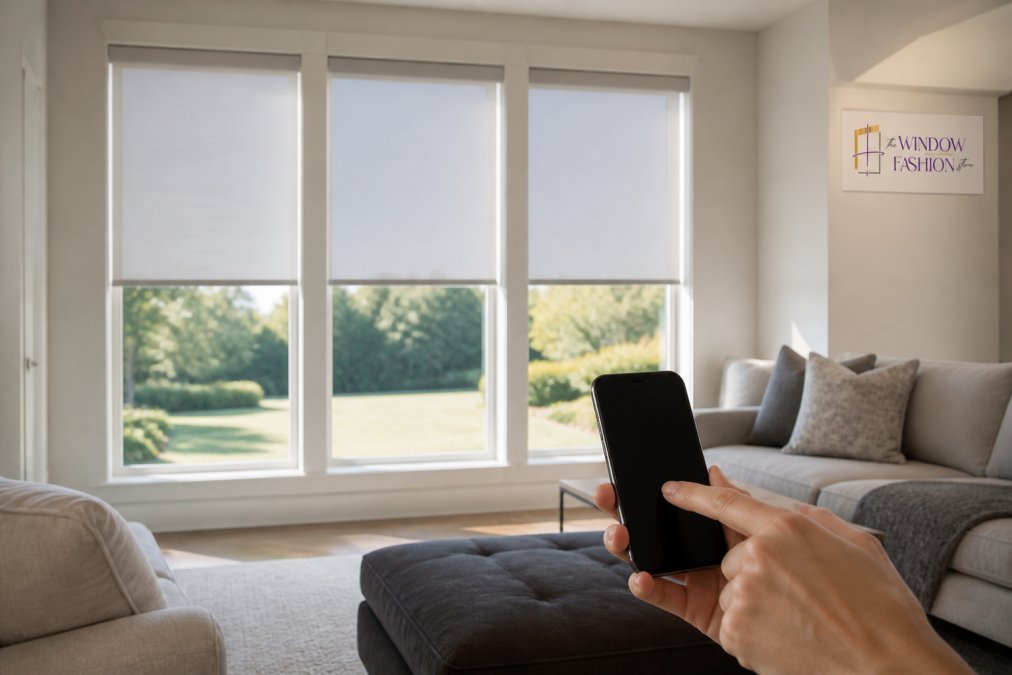
Here’s what separates them in practice:
| Feature | Motorized Shades | Manual Blinds |
|---|---|---|
| Daily Operation | App, remote, voice command, or automatic scheduling | Hand-operated wand or cordless lift |
| Power Source | Rechargeable batteries or hardwired | None, purely mechanical |
| Cord Safety | Cordless design eliminates entanglement risk | Cordless options available (wand or lift systems) |
| Smart Home Integration | Full compatibility with Alexa, Google Home, Apple HomeKit | No automation possible |
| Installation Complexity | Requires battery installation, hub setup, and network configuration | Straightforward mechanical installation |
| Maintenance | Battery charging, occasional app updates, potential connectivity issues | Minimal, occasional wand or lift adjustment |
| Cost Consideration | Higher upfront investment; varies by system and window count | Lower initial cost; consistent across options |
| Energy Efficiency | Can reduce heating/cooling costs through automated scheduling | Requires manual adjustment for seasonal optimization |
Motorized systems shine when you have multiple windows, want hands-free operation, or value the ability to adjust your entire home’s light from bed or away from home. Manual blinds excel when you prefer simplicity, want zero maintenance, or are updating a single room without smart home ambitions.
Upfront Cost and Long-Term Investment
The cost difference between motorized and manual is immediate and significant. Manual blinds represent a straightforward purchase: you buy the product, have it installed, and you’re done. Motorized systems require additional components, motors, batteries, control hubs, and sometimes professional setup, which pushes the initial investment higher.
Beyond the purchase price, motorized systems carry considerations that matter over time. Rechargeable batteries need periodic replacement. Smart home hubs may be required for full functionality. Professional installation is often recommended rather than optional, especially for wired systems or complex multi-window setups. Manual blinds sidestep all of this: once installed, your only considerations are occasional replacement if the mechanism wears out after years of use.
For a typical home, the total cost difference can be substantial. The Window Fashion Store recommends getting a personalized quote during a design consultation, where we can assess your specific windows and layout. Our team can show you real product samples and explain the true long-term cost of each option in your situation.
The real question isn’t which costs less initially, it’s which delivers better value over the years you’ll own your home. Motorized systems justify their cost when you’re automating many windows, when you value convenience enough to pay for it, or when energy savings from scheduled adjustments offset the investment. Manual blinds remain the smarter choice when you want simplicity, predictable costs, and minimal maintenance.
Ease of Use and Daily Operation
This is where the two options diverge most noticeably in everyday life. Operating manual blinds is intuitive: you reach for a wand or pull a cordless lift, and the shade moves. There’s no learning curve, no app to download, no batteries to check. If your blinds stop working, it’s usually a mechanical issue you can see and understand.
Motorized shades offer convenience that compounds over time. Instead of walking to each window, you control them from your phone, tablet, or voice assistant. You can create scenes, "Movie Time" closes all shades in the living room simultaneously, or "Good Morning" gradually opens them to wake you naturally. This matters most when you have many windows, when mobility is a consideration, or when you’re away from home and want to adjust light remotely.
The trade-off is complexity. You’ll need to set up an app, possibly configure a smart home hub, troubleshoot occasional connectivity issues, and remember to charge batteries. For tech-comfortable homeowners, this is second nature. For others, it’s friction that outweighs the convenience benefit.
Cordless manual lift systems occupy the middle ground. They deliver safety and ease without smart features. You still operate them by hand, but they eliminate cord entanglement risks that concern families with young children or pets. The Hunter Douglas LiteRise system and similar cordless manual options provide this balance effectively.
Energy Efficient Shades for Homes
Both motorized and manual shades can improve your home’s energy efficiency, but they achieve it differently. Motorized systems have a distinct advantage: they can be programmed to respond to seasonal changes and daily patterns automatically (peer-reviewed research). In summer, they can close during peak heat hours to reduce air conditioning load. In winter, they can open during sunny days to capture free solar heat, then close at night to retain warmth.
Manual shades deliver energy benefits too, but they require discipline. You must remember to close them on hot afternoons, open them on sunny winter mornings, and adjust them seasonally. Many homeowners don’t maintain this consistency, which means the energy savings potential goes unrealized.
The actual energy savings depend on your climate, window orientation, and how diligently you (or your automation) manages the shades. Homes in extreme climates, very hot summers or cold winters, see more dramatic efficiency gains. Homes with south-facing windows benefit most from strategic light control. According to the U.S. Department of Energy guidance on window coverings, proper window treatment management can reduce heating and cooling energy use by 7-15%.
Motorized systems with smart scheduling can help you capture these savings passively. Manual systems require you to be the thermostat operator. For energy-conscious homeowners willing to stay engaged, manual shades work fine. For those who want set-it-and-forget-it efficiency, motorized automation is worth the investment.
Light-filtering fabrics and blackout options are available in both motorized and manual versions. The fabric choice matters as much as the operation method when it comes to thermal performance.
Smart Home Window Treatment Integration
If you already have a smart home ecosystem, Alexa, Google Home, or Apple HomeKit, motorized shades unlock their full potential. You can voice-control them, create automations that trigger based on time, weather, or other smart home events, and monitor their status from anywhere.
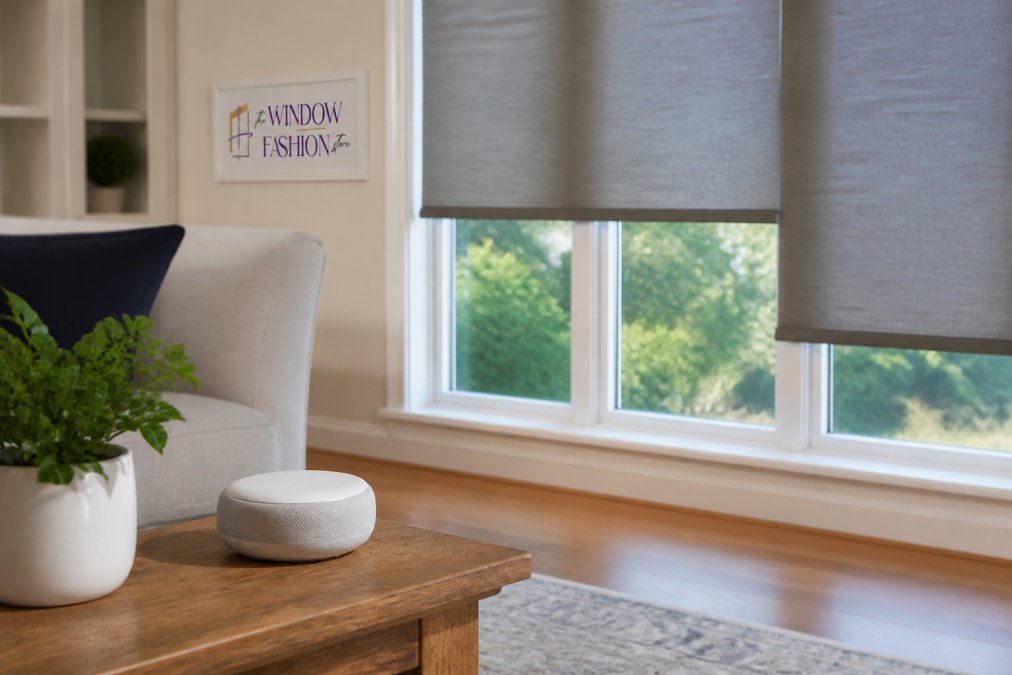
Three major platforms dominate this space. Hunter Douglas PowerView Automation integrates seamlessly with all major ecosystems and offers granular control through its app. Alta Window Fashions BLISS Automation provides comparable smart features. Norman Smart Motorization emphasizes safety features like automatic obstruction detection alongside smart home compatibility.
The integration process varies by system. Some require a dedicated hub that connects to your Wi-Fi network. Others use Bluetooth for direct app control without a hub. Hardwired motorized systems offer the most reliable operation but require professional installation during construction or renovation.
Manual blinds simply don’t participate in smart home ecosystems. If you value voice control, automation, or remote operation as part of your home’s intelligence, motorized is your only option. If your home has no smart devices and you prefer it that way, manual blinds align perfectly with your setup.
The real consideration: smart home integration is only valuable if you’ll actually use it. If the app sits unused on your phone, the convenience argument collapses. Many homeowners buy motorized shades expecting to use voice control, then revert to manual operation because the friction of setup outweighs the benefit. Be honest about whether you’ll engage with the technology.
Installation, Maintenance, and Durability
Manual blinds are straightforward to install. A professional measures your windows, confirms fabric and style choices, and installs the hardware. The process takes one visit, typically 1-2 hours per room. Maintenance is minimal: occasional dusting, rare fabric cleaning, and virtually no mechanical wear unless you operate them roughly.
Motorized systems require more involved installation. The technician must install motors, connect batteries or hardwiring, configure the smart home hub, test connectivity, and walk you through app setup. This takes longer and demands technical competence. If you’re retrofitting existing manual blinds with motorization, installation becomes more complex and invasive.
Battery maintenance is the ongoing consideration with motorized shades. Rechargeable lithium-ion batteries need periodic charging (the FDA). When batteries deplete, motorized shades stop functioning until you recharge or replace them. Manual blinds have no batteries to fail.
Durability favors neither option inherently. Well-made motorized shades last as long as quality manual ones. The difference is what fails: motors and electronics eventually wear out, while mechanical lift systems can operate for decades. For homeowners planning to stay in their homes long-term, this matters. For those who may move in 5-10 years, it’s less significant.
The Window Fashion Store exclusively installs and services products purchased through our store, Hunter Douglas, Alta Window Fashions, Norman, and Texton. We provide exact measurements, professional installation, and ongoing support. We do not offer repair or installation services for outside brands, big-box store products, or customer-provided drapery. This commitment ensures quality control and accountability throughout the lifespan of your investment.
Window Treatment Design Consultation for Your Home
Choosing between motorized and manual shades isn’t just a technical decision, it’s a design and lifestyle decision. The right choice depends on your windows, your home’s aesthetic, your daily habits, and your budget.
This is where professional guidance transforms the decision. The Window Fashion Store features a beautiful Design Gallery with full-sized displays of every Hunter Douglas, Alta Window Fashions, Norman, and Texton product we sell. You can see products in action, examine fabric choices, understand how light filtering and blackout options actually perform, and visualize how different styles coordinate with your interior.
Beyond the gallery, we offer in-home design consultations where we bring sample books to your home. This matters because window coverings look different in your actual lighting, against your actual walls, and in your actual rooms. What looks beautiful in a showroom might not match your space. Our consultants help you pick the right window coverings in the comfort of your own home, factoring in your specific windows, light patterns, and design preferences.
The consultation is free. We’ll assess your windows, discuss whether motorized automation makes sense for your lifestyle, explain the true cost of each option, and show you products that fit your aesthetic and budget. For homeowners uncertain about motorized versus manual, this conversation clarifies the decision.
Which Option Is Right for You?
Choose motorized shades if:
- You have 10+ windows and want unified control
- You value convenience and hands-free operation
- You’re comfortable with smart home technology
- You want automated energy management
- You have young children or pets and prioritize cordless safety
- You’re willing to invest in batteries and occasional maintenance
Choose manual blinds if:
- You’re updating a single room or small space
- You prefer simplicity and zero maintenance
- You want predictable, straightforward costs
- You don’t use smart home devices
- You prefer mechanical reliability over automation
- You’re budget-conscious and want to minimize long-term expenses
The honest truth: most homeowners benefit from a mixed approach. Motorize the windows where convenience matters most, bedrooms, living rooms, or spaces with many windows. Keep manual blinds where simplicity suffices, closets, utility rooms, or secondary spaces. This hybrid strategy captures automation benefits where they add real value while avoiding unnecessary complexity elsewhere.
Your windows are one of your home’s most visible features. They deserve thoughtful choices, not rushed decisions. The Window Fashion Store has guided thousands of homeowners through this exact decision. We understand the trade-offs, the real costs, and the lifestyle implications.
Schedule a free consultation with our design team. We’ll show you our Design Gallery, discuss your specific windows and needs, and help you choose the option that actually fits your life. Visit us online to book your appointment, or call to discuss your project with a specialist who knows window coverings inside and out.
The decision between motorized and manual window treatments shapes your daily comfort and long-term satisfaction. Whether you choose automation or simplicity, the right choice is the one that matches your home, your habits, and your budget. The Window Fashion Store specializes in custom window treatments from Hunter Douglas, Alta, Norman, and Texton, brands known for quality, durability, and design. Our team provides exact measurements, professional installation, and personalized guidance to ensure your investment enhances your home for years to come. Schedule your free design consultation today and discover how the right window coverings transform your space.
Frequently Asked Questions
Q: Are motorized shades worth the investment compared to manual blinds?
A: Motorized shades offer convenience, enhanced safety through cordless operation, and energy-saving automation that manual blinds cannot match. The value depends on your lifestyle and priorities. If you have multiple windows, smart home integration appeals to you, or you prioritize child safety, motorized shades deliver real benefits. Manual blinds remain a solid choice for budget-conscious homeowners or those who prefer simple, maintenance-free operation. A window treatment design consultation can help you evaluate the cost-benefit for your specific home.
Q: What are the main disadvantages of motorized blinds?
A: Motorized blinds require a higher upfront investment and depend on batteries or hardwired power. Battery-powered systems need periodic charging or replacement. Smart home integration can involve connectivity troubleshooting if your network is unstable. Some motorized systems produce audible noise during operation. Professional installation is often recommended, adding to initial costs. Manual blinds eliminate these concerns but sacrifice automation and convenience.
Q: How do energy efficient shades for homes compare between motorized and manual options?
A: Both motorized and manual shades can provide thermal insulation and UV protection when made with appropriate fabrics and cellular construction. Motorized shades gain an advantage through automated scheduling: they can adjust at sunrise and sunset to manage indoor temperature, reducing heating and cooling costs year-round. Manual shades rely on you to open and close them strategically. For maximum energy efficiency, pair either option with blackout or light-filtering fabrics designed for thermal control.
Q: What maintenance differences should I expect between motorized and manual window treatments?
A: Manual blinds require occasional dusting and fabric care but have no mechanical parts to maintain. Motorized systems need battery monitoring, charging, and occasional troubleshooting of smart home connectivity. Most quality motorized systems are durable, but they involve more moving parts. Both benefit from professional installation to ensure proper fit and function. Our team can discuss maintenance expectations during a free consultation and help you choose a system that matches your willingness to maintain it.
Q: Can existing manual blinds be retrofitted with motorization?
A: Yes, motorization kits can be added to many existing manual shades, though compatibility depends on the shade type and mounting. Retrofit installation may be less seamless than integrated motorized systems purchased new. The process requires professional assessment to ensure the motor has sufficient torque for your window size and shade weight. Contact us to discuss whether your current window treatments are candidates for motorization retrofitting.